













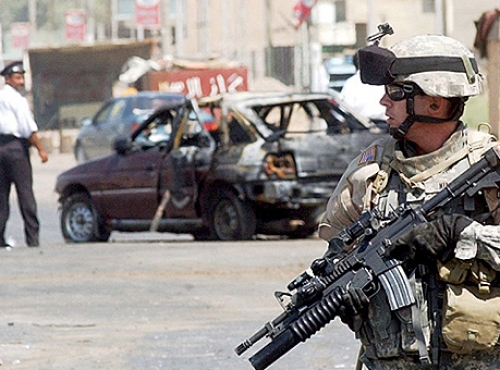


At least seven Sunni mosques and dozens of shops in eastern Iraq were firebombed on Tuesday, January 12, security sources and local officials said, a day after 23 people were killed there in two blasts claimed by Islamic State, Reuters reports.
Ten people were also shot and killed in Muqdadiya, 80 km (50 miles) northeast of Baghdad, security and hospital sources said.
The rise of the Islamist militant group Islamic State, which follows a Sunni jihadist ideology, has exacerbated a long-running sectarian conflict in the country, mostly between the Shi'ite majority and minority Sunnis.
A surge in such violence could undermine efforts by Prime Minister Haider al-Abadi, a moderate Shi'ite Islamist, to dislodge the militants from large swaths of the north and west that they seized in 2014.
At least two Sunni mosques south of Baghdad were attacked last week after a Shi'ite cleric was executed in Saudi Arabia, triggering angry reactions in Iraq and neighboring Iran.
At the height of Iraq's civil war nearly a decade ago, such mosque attacks often unleashed revenge killings and counter attacks across the country.
Officials tried on Tuesday to head off further violence, condemning the mosque attacks as well as Monday's bombings which Islamic State said had targeted Shi'ites.
Abdul Lateef al-Himayim, head of Iraq's government body overseeing Sunni religious sites, called them "a desperate attempt to destroy Iraqi unity", while the United Nations warned in a statement the mosque bombings could "take the country back into the dark days of sectarian strife".
Haqqi al-Jabouri, a member of the local council in Diyala province where Muqdadiya is located, said both types of attacks hurt the social fabric of the community. He blamed "undisciplined (Shi'ite) militias" for burning the mosques.
Shi'ite militias were crucial in keeping Islamic State from overrunning Baghdad and southern Shi'ite shrines during their lightning advance across the Syrian border in 2014, and have supported Iraqi forces pushing back the militants, including from parts of Diyala.