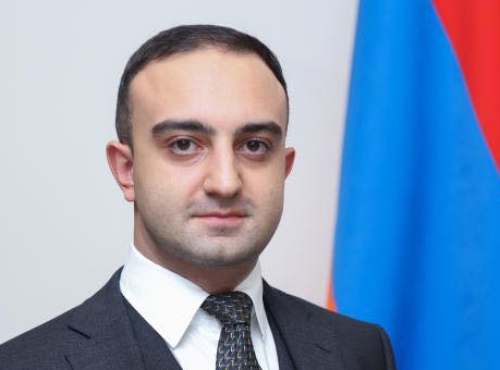











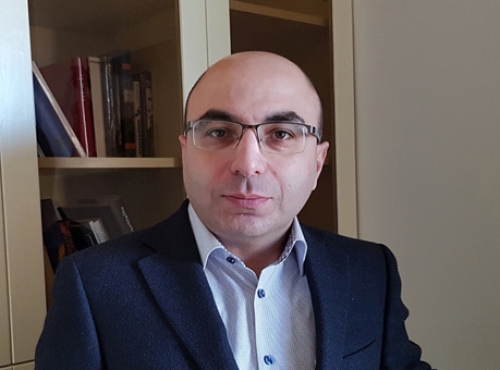


Vahe Hovhannisyan, a member of the Alternative Projects group, wrote that the authorities have exhausted the decisive resource of public trust and are aware of it.
He argued that this must be fixed before and during the elections to trigger serious political and psychological change in the country, outlining four necessary principles.
First condition: pre-election coexistence
Establishing and maintaining norms of coexistence among opposition forces and the “publicly active” is essential. Abandoning narrow, outdated feuds will demonstrate political responsibility and help shape a societal atmosphere ready to vote for change.
Second condition: bury hollow slogans
Today’s reality leaves no room for fake slogans or self-glorification. Rationalism, pragmatism, and modesty should guide opposition leaders, not artificial PR or exaggerated patriotism.
Third condition: money is not almighty
It is a mistake to assume money alone can drive societal change. People may accept financial incentives but will not automatically become citizens demanding transformation. Money can organize activity, but it cannot alter the mindset of a defeated society.
Third condition (again): correct political formulas
Hovhannisyan stressed the need for intellectual resources to craft counter-formulas. The government frames elections as a choice between peace and non-peace. Opposition must avoid reinforcing this narrative and instead present strong alternative formulas that resonate with public consciousness.
Fourth condition: post-election coexistence
Societal harmony after elections is crucial. The “post-Pashinyan Armenia” must be built on reconciliation, not vendettas or new divisions. While unlawful acts should be legally assessed, society must move beyond the destructive trap of universal hostility.
According to Hovhannisyan, whoever understands and carries the idea of post-election social harmony will become a natural leader.