










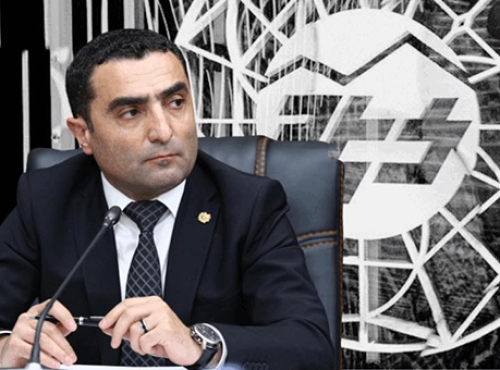


Romanos Petrosyan, acting manager of Electric Networks of Armenia (ENA), advised Narek Karapetyan, chairman of the company’s board of directors and representative of its 70% shareholder, to “bar former acting CEO and ex-deputy director Ghazinyan from taking part in ENA-related press briefings and interviews.”
Petrosyan argued that Ghazinyan repeatedly spread “groundless, manipulative claims” to mislead the media and public, while attempting to justify two decades of ineffective leadership and conceal his weak expertise in energy management. He warned that such statements not only harm Ghazinyan’s former employers but also generate reputational risks for the owners of the Tashir Group, raising questions about how he had been trusted with such a high-ranking position.
Petrosyan also called on Karapetyan to question why Ghazinyan, during his tenure as acting CEO, avoided signing performance reports for ENA’s 2025 investment program prepared by companies tied to Tashir Group. According to him, this avoidance might suggest that even Ghazinyan himself lacked trust in those contractors.
He stressed that the company owners deserve full answers from their trusted managers, while reaffirming his own institutional duty to protect their lawful interests.
Petrosyan noted that his invitation for a working meeting with the board chair remains valid, as critical issues must be addressed, such as nearly 1 billion drams of lost annual profit opportunities over the past decade and the need to identify those responsible. He suggested that these financial lapses had not been reported to the shareholders.
Marking two months as acting manager, Petrosyan announced he will soon hold a press conference to present documented revelations about ENA operations, stressing that the company must serve the Armenian people.
On July 22, the Arbitration Institute of the Stockholm Chamber of Commerce ordered Armenia to suspend certain provisions of recent energy legislation and halt further steps toward possible expropriation of ENA. The Armenian government responded, stating that while it respects the ruling, the scope of the dispute differs from the purpose of appointing a temporary manager, and that all actions must also comply with national legislation.