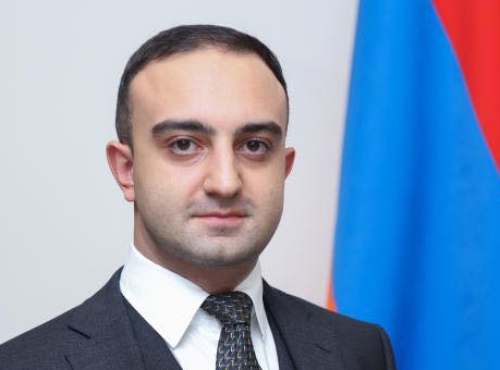








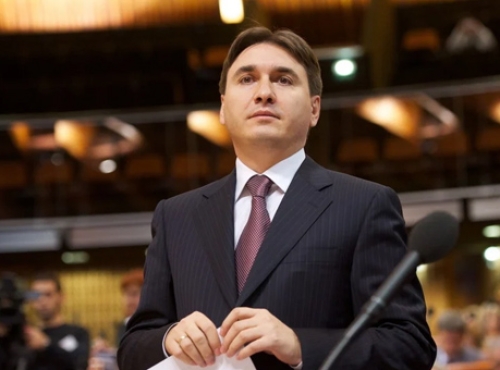


At the September 29 plenary session of the Parliamentary Assembly of the Council of Europe (PACE), Armenian MP Armen Gevorgyan from the Hayastan parliamentary group stated that while the Armenian people are being asked to believe peace has been achieved following declarations in Washington, in reality, the “Washington peace” does not signify an end to conflict but rather the start of a new phase of regional uncertainty.
“When tomorrow you hear speeches in this hall about a new era of peace, I urge you to reflect: why has this era not freed the Armenian prisoners in Baku, not opened the Armenia–Turkey border, not resulted in the withdrawal of Azerbaijani forces from occupied Armenian territories, and not halted Azerbaijan’s military buildup? It is in this so-called era of peace that my people hear Ilham Aliyev demand constitutional changes in Armenia and the so-called Zangezur corridor,” Gevorgyan said.
“Ask yourselves: according to what international norms or democratic traditions can Turkic leaders demand the return of Azerbaijanis to Armenia and Meskhetian Turks to Georgia, while simultaneously denying the same right to the Armenians of Karabakh? Can such injustice bring lasting and sustainable peace to the region?”
He stressed that peace is not simply the absence of war, but the existence of a credible security system.
“Europe loves 'success stories of reconciliation,' but in this case, it should not applaud official declarations, but it should demand real guarantees and balance. The new Armenian model of peace cannot be sterile. That is why Armenia cannot and must not abandon its existing ties and capabilities in pursuit of illusions.
We are witnessing the West’s failure to end the war in Ukraine. The largest U.S. military base could not protect Qatar from periodic shelling. The entire Arab world could not stop the ongoing catastrophe in Gaza. The values and traditions of the democratic world have failed to protect the Armenians of Karabakh from ethnic cleansing. All this only reinforces my belief that countries like Armenia cannot afford a false choice. In today’s global environment, real peace relies on deterrence, rules, and pressure—not hope.
I call on you to help Armenia strengthen and expand its current security layers by implementing what may be called a doctrine of security accumulation. Let us remember: artificial peace is merely war postponed,” he concluded.
On September 30, Prime Minister Pashinyan is scheduled to address the fourth session of the PACE plenary. During the visit, he has already met with Council of Europe Secretary General Alain Berset, and is set to hold meetings with European Court of Human Rights President Síofra O’Leary and Council of Europe Commissioner for Human Rights Michael O’Flaherty.