Առաջին հայկական ինտերնետային լրատվական և վերլուծական գործակալություն
ԻմPANը








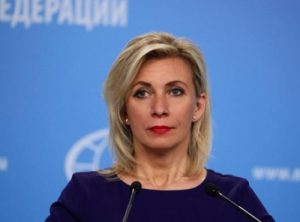
Russia reiterates solidarity with Armenians, recalling the 1915 tragedy and the role of the Imperial Army
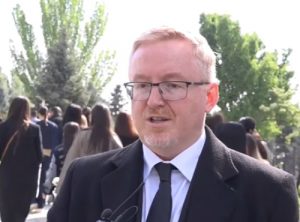
Andrew Turner called the Genocide memorial deeply moving and highlights Canada’s historic recognition of the atrocity.
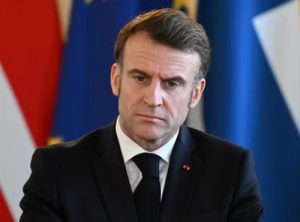
Macron commemorated the Armenian Genocide with bilingual posts, urging continued efforts for truth and humanity.
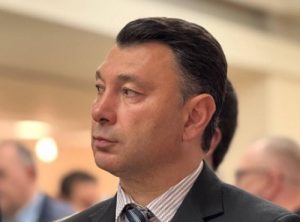
Sharmazanov criticized PM for condemning flag burning while ignoring Azerbaijan’s actions against Artsakh.

Araksi Demirchyan says justice must be restored and pledges to donate assets if returned.
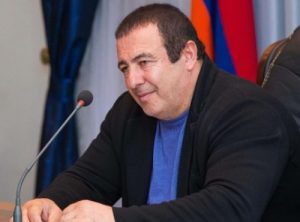
Tsarukyan stressed that nothing can force the Armenian people to forget their history or deny the memory of innocent victims.

Dalman said the pain of past generations still lives on and urges remembrance to prevent future horrors.

Erik Helmsborn recalled that the Swedish Parliament voted to recognize the Armenian Genocide back in 2010.
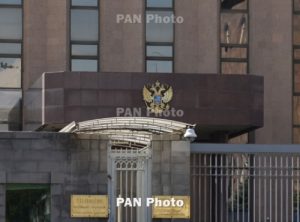
The Russian Embassy in Armenia honors the victims of the Armenian Genocide, marking 110 years since the 1915 atrocities.
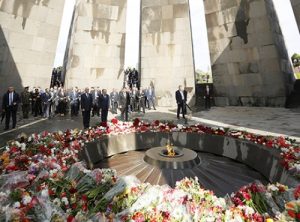
PM laid a wreath at the monument and placed flowers at the Eternal Flame, which honors the memory of the genocide victims.
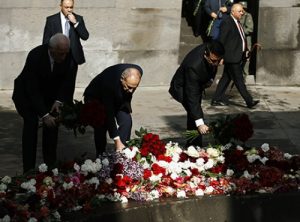
Alen Simonyan said that April 24 is among the most somber and sorrowful days of national memory.
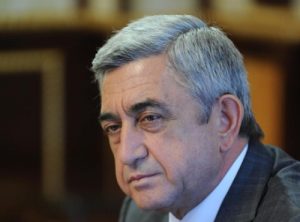
Serzh Sargsyan warned that portraying the Armenian Genocide as an obstacle to peace is morally corrupt and threatens national integrity.
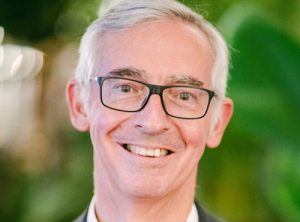
Bernard Coulie says the Armenian Genocide is part of an ongoing cycle of violence, making April 24 a day for all justice advocates.
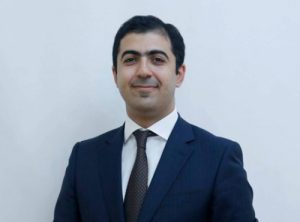
If we file new suits without Artsakh existing, we’ll be in a completely different legal context,” Aram Orbelyan explained.

Mayor Payan unveiled plans for symbolic monuments linking Marseille and Yerevan, calling detained Artsakh leaders fellow French citizens.
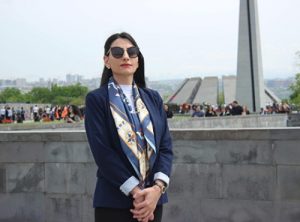
Anahit Manasyan called genocide an unjustifiable crime with irreversible consequences, stressing global responsibility and need for collective prevention efforts.
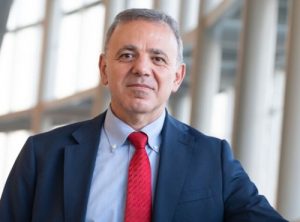
Kostas Mavrides said Turkey’s denial of the Armenian Genocide perpetuates injustice and risks future crimes against humanity.
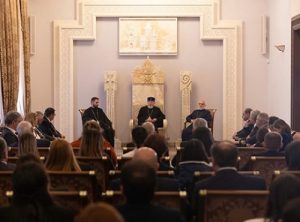
Ara Zohrabyan introduced the delegates, who aimed to learn about the role of the Armenian Apostolic Church in national and civic life.
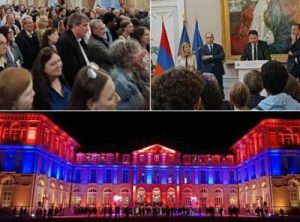
This year’s remembrance holds special significance in Marseille due to the initiation of a sister-city partnership with Yerevan.
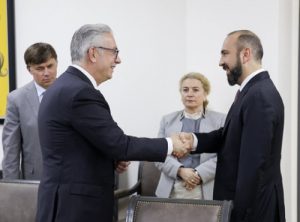
Both sides expressed satisfaction that Armenia’s democratic reforms have already led to tangible progress.
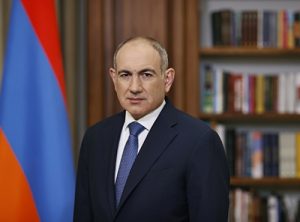
Pashinyan stated that honoring the victims of the Armenian Genocide must come through state-building and peaceful coexistence with neighbors.
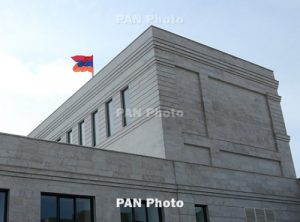
”In the 21st century, we continue to witness mass crimes driven by hatred, racism, and ethnic intolerance,” the ministry stated.
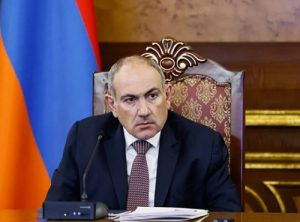
According to Baghdasaryan, the Prime Minister views the act as irresponsible and unacceptable.
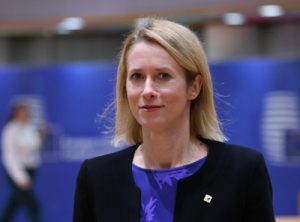
EU foreign policy chief’s visit to Azerbaijan on Genocide Remembrance Day drew ire from MPs citing human rights concerns.
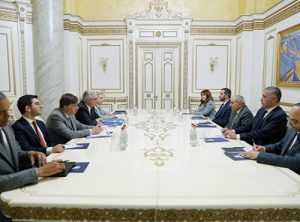
The parties discussed democratic reforms underway in Armenia and government actions aimed at enhancing human rights protection.

“We call on the Azerbaijani side to investigate the shelling of the residential home in Khoznavar and to provide public clarification,” MoD said.
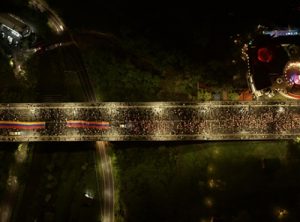
The torchlight march is one of the symbols of the Armenian people’s pursuit of justice.
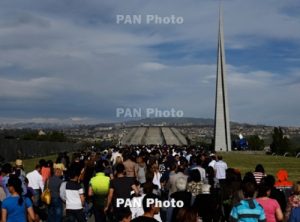
On April 24, 1915, the Young Turk government ordered the deportation of the entire Armenian intellectual class in Constantinople.
After Hrant Dink’s assassination, Turkey saw increased discourse on the Armenian Genocide and commemorative events, marking a psychological shift.
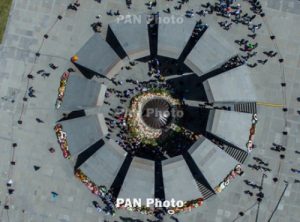
Diaspora diplomats condemn genocide denial and stress the urgent relevance of the “I remember and demand” oath amid rising threats and historical distortions.