










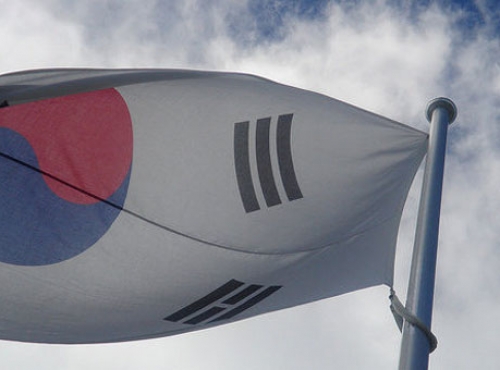


With their last president detained and awaiting trial for corruption, South Koreans go to the polls Tuesday, May 9 to choose her successor, but the economic and social frustrations that fuelled anger against Park Geun-Hye remain, AFP reports.
The May 9 vote takes place under the shadow of North Korea’s growing nuclear threat, but voter sentiment is squarely focused on inequality and unemployment — echoing the forces that have seen political norms upended in Britain and the US.
Park’s dismissal by the country’s top court came after months of political turmoil in Asia's fourth-largest economy, which saw millions take to the streets to call for her ouster over a wide-ranging scandal.
At one level, the demand for change will be fulfilled on Tuesday. The South has been ruled by conservatives, including both Park and her father, for all but little more than a decade of its existence.
But left-leaning former human rights lawyer Moon Jae-In is set for a crushing victory at the ballot box according to the final opinion polls released Thursday — South Korean law bans surveys carried out in the last week of the campaign being published before the vote.
In a field of 15 candidates, a Realmeter poll put Moon on 42.4 percent, with centrist Ahn Cheol-Soo and conservative Hong Joon-Pyo, of Park's Liberty Korea party, tied on 18.6 percent.
Gallup Korea gave Moon 38 percent, with Ahn second on 20 percent, followed by Hong with 16 percent.
"This will be a wipeout of the South Korean right akin to what happened to the Republican Party in the United States after Watergate," said Robert Kelly of Pusan National University.
A high turnout is expected — even more than the last vote's 75.8 percent — with one National Election Committee official describing public attention as "more intense than we ever expected".
The South's decades-long "Miracle on the Han" saw it rise from war-ravaged ruin to the ranks of the OECD, but joblessness among under-30s hit a record 10 percent last year and is expected to rise further this year, while wages are stagnant.
At the other end of the social scale, the top 10 percent of South Korean earners account for nearly half of overall income, according to a study by the International Monetary Fund published last year — the highest ratio in Asia.