










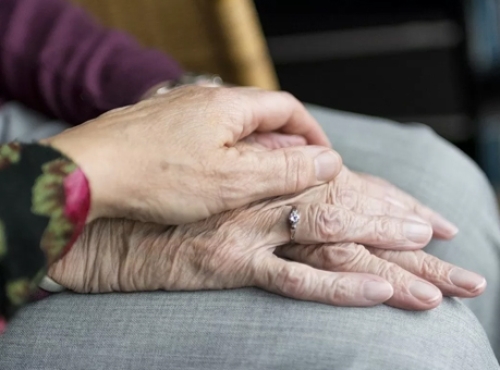


On October 1, countries worldwide marked the International Day of Older Persons, aimed at raising awareness about challenges and opportunities associated with aging populations and supporting the elderly through family, community, and institutional engagement.
According to Armenia’s 2024 statistics, per 1,000 people there are 225.8 aged 60–64, 200.7 aged 65–69, 140.8 aged 70–74, 70.0 aged 75–79, and 89.5 aged 80 and older.
Per United Nations classification, countries with over 7% of the population aged 65 and older are considered “aging societies.” Armenia’s rate stands at approximately 10.5%, placing it in that category, the Heratsi National Research Center for Health Programs at YSMU reported.
The 2025 theme is “Older persons driving change on local and global levels: Our aspirations, our well-being, our rights.”
This year’s focus highlights the vital role of older adults in building fair and resilient societies. Seniors are not just recipients of care—they actively contribute through experience and knowledge, especially in areas such as health equity, financial stability, and human rights.
The 2002 Political Declaration and Madrid International Plan of Action on Ageing remain key frameworks in global aging policy, urging inclusive environments and development-centered, health-driven approaches. The 2025 theme reflects these principles, underlining older persons’ roles in local and global progress.
Aging is a natural process but does not always guarantee a healthy, independent life. As infectious diseases decrease and living conditions improve, global life expectancy continues to rise.
UN estimates show that the number of people aged 60+ rose from 541 million in 1995 to 1.2 billion in 2025. By 2050, it is projected to reach 2.1 billion. From 2021 to 2050, the share of older persons is expected to rise from 10% to 17%. By 2080, their numbers will surpass those under 18 globally.
Moreover, by 2050, the 65+ population is expected to more than double that of children under 5, nearly equaling the number of children under 12. Women typically live longer, and in nearly all countries they outnumber men—this trend will persist.
Globally, life expectancy has reached 73.5 years in 2025—up 8.6 years since 1995. The population aged 80+ is rapidly expanding and is projected to reach 265 million by the mid-2030s, surpassing the number of newborns.
Sri Lanka, the fastest aging country in South Asia, had 12.4% of its population aged 60+ in 2012 (2.5 million people). This figure is expected to double by 2041, when one in four citizens will be 60 or older.
Aging populations bring increased demand for health and social care services, especially for those with dementia—a leading cause of disability and dependence among the elderly. This underscores the need for specialized elder care integrated into healthcare systems, with services tailored to their needs.