






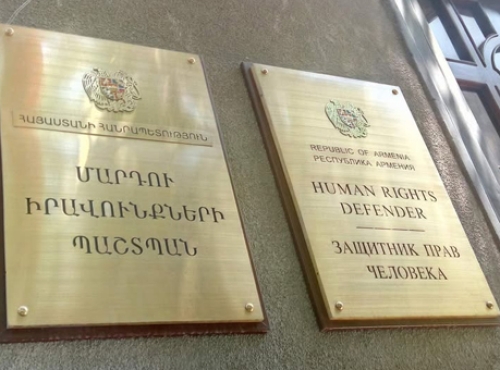


The Human Rights Defender of Armenia has recorded several criminal procedure violations in the detention process of clergy members from the Armenian Apostolic Church. These findings followed reports of clergy detentions and a visit by the Ombudsman’s rapid response team to the Investigative Committee and its relevant Yerevan departments.
According to the Defender's office, individuals with the procedural status of a witness were taken to the investigating body without proper adherence to criminal procedure regulations.
“Any deprivation of liberty must meet legal standards and occur strictly within the framework of criminal procedural rules. We also consider it unacceptable to obstruct lawyers’ access to clients or create barriers to confidential meetings,” the statement said.
The Ombudsman stressed that such practices undermine the right of individuals, particularly those under criminal prosecution, to legal assistance and other related rights.
Concerns were also raised that detained individuals were not allowed to notify someone of their whereabouts.
The Ombudsman’s office continues to coordinate with lawyers and provide them with location updates about their clients.
Meanwhile, Father Aram Asatryan, spiritual pastor of Hovhannavank Monastery, has denied any connection to the recent events involving the Aragatsotn Diocese.
“I’m not involved with the law enforcement part of this issue. These developments have unfolded over time, and while I’ve been aware for over a month, I have no involvement in the recent events,” he told RFE/RL.
Responding to questions about filing a report, Father Aram stated, “If you follow the media, you’ll see there are organizations in Armenia interested in what happens within the Church. They’re the ones who raised these issues.”
He added that he was not summoned by the Investigative Committee, had not received calls, and had not visited the Prosecutor’s Office.
“To link me to all this without clarifying the facts, I won’t label it, but I think it’s not right. Information is like food. It can be useful or harmful,” he said.
When asked whether he was forced by the diocesan head to participate in protests, a point he had made in an interview with Public Television, Father Aram replied: “You need to remember the rules here. I don’t think any priest would attend rallies independently, especially in uniform, since that would mean representing the Church, and without permission, you can’t do that.”
When asked to confirm whether the instruction came from the diocesan leader, he responded: “Of course. In dioceses that participated, there was a clear directive.”
Regarding his earlier televised comments, Father Aram noted they deserve scrutiny: “They should be investigated because if people were pressured regarding freedom, speech, or rights—elections, protests—these are movements one should join ideologically. If you’re not aligned with the cause but still attend, that’s also troubling.”
On the morning of October 15, law enforcement conducted a search at Bishop Mkrtich Proshyan’s residence before detaining him. Alongside him, 12 clergy members and several staff of the Aragatsotn Diocese were also detained. According to the Investigative Committee, the arrests relate to suspicions of offering material incentives to either attend or abstain from rallies and the large-scale embezzlement of entrusted property. The criminal case was initiated based on statements made by Father Aram Asatryan in a televised interview, where he claimed the diocesan head forced clergy to attend opposition protests in 2021. Daniel Ioannisyan, head of the “Union of Informed Citizens” NGO, referred these claims to the Prosecutor General.