







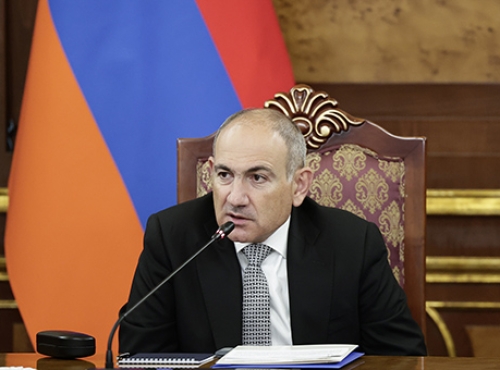


During a Q&A session in parliament, Prime Minister Nikol Pashinyan discussed the roadmap for the Trump Route, outlining its planned stages of implementation.
“By the end of this year, we must finalize all the details on paper. In the first half of 2026, we aim to reach final agreements, and in the second half, we must begin construction. That’s the plan,” Pashinyan stated, according to Aysor.am .
He noted that he had refrained from publicly discussing project timelines, explaining that experience has shown such plans often face delays. “We will do everything to ensure this schedule is strictly followed,” he said.
Pashinyan also addressed recent online discussions triggered by a comment from an Azerbaijani official who said the Trump Route should operate under terms acceptable to Azerbaijan.
Pashinyan responded: “We have signed a document outlining acceptable conditions. What are those conditions acceptable to Azerbaijan? They are those under which both the Azerbaijani and Armenian leaders have signed, the Washington Declaration. Azerbaijan signed beneath a list of principles it deems acceptable: territorial integrity, sovereignty, jurisdiction, reciprocity, and inviolability of borders. Even the opposition in Parliament seemed pleased with that. It’s written, signed.”
In Washington, the leaders of Armenia, Azerbaijan, and the U.S.—Nikol Pashinyan, Ilham Aliyev, and Donald Trump—officially agreed to launch the Trump Route.
“The route will allow Azerbaijan to reach Nakhichevan while fully respecting Armenia’s sovereignty. Armenia is also establishing an exclusive partnership with the U.S. to develop this corridor. The agreement can be extended for up to 99 years, and promises have been made for another 99-year extension beyond that. We expect significant infrastructure development, and American companies are eager to enter these markets and invest heavily, bringing economic benefits to all three countries,” said Trump.
On September 11, Pashinyan clarified that Armenia did not lease land to the American side for 99 years, but instead granted the right to develop the infrastructure.